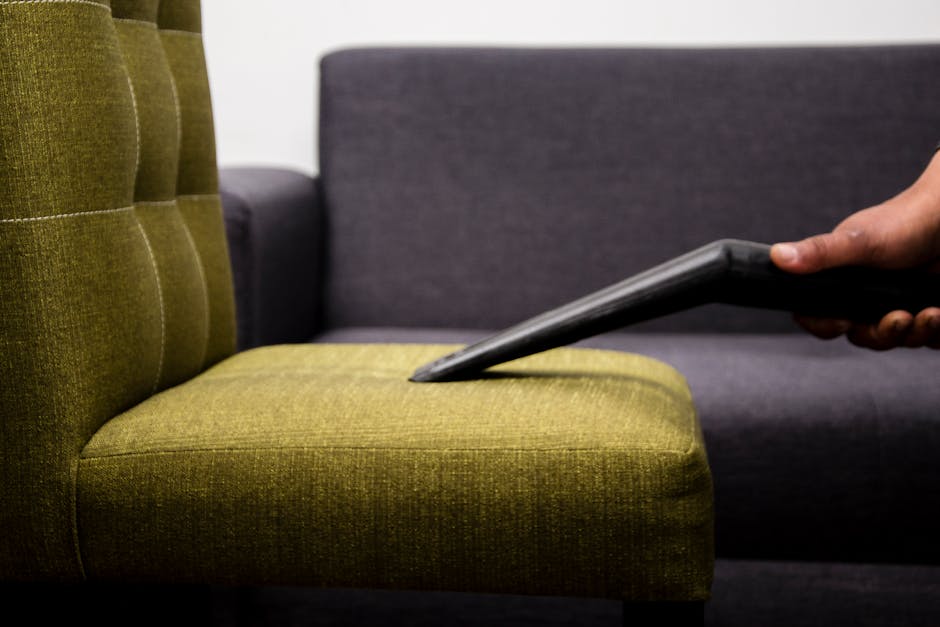
Clapham Junction upholstery cleaning tips for commuters

If you commute through Clapham Junction, you already know how quickly upholstery can pick up the realities of daily life: a coffee splash on the train, damp from a wet umbrella, grit from the platform, or that faint smell of "I've had a long week" sitting into your sofa. This guide to Clapham Junction upholstery cleaning tips for commuters is built for busy people who need practical, realistic advice that fits around early starts, late returns, and not much spare time. We'll cover what matters most, what to do first, when to leave it to the pros, and how to keep your furniture looking fresher without turning cleaning into a second job.
For deeper help beyond day-to-day maintenance, it can also be useful to look at a dedicated upholstery cleaning service alongside related support such as sofa cleaning, stain removal, or even pet stain and odour removal if home life and commuting life have both done a number on your furniture. Let's make this simple, useful, and doable.
Why Clapham Junction upholstery cleaning tips for commuters Matters
Commuters live in the overlap between home and public space. That means your upholstery takes on more than normal household dust. It gets the residue of fast mornings, weather changes, seat friction, commuter bags, lunch spills, and the occasional mystery mark that appears after a tired evening in front of the TV. Truth be told, if you're leaving the flat at 7:10 and getting back after 7, you need cleaning advice that respects your schedule.
Clapham Junction makes this especially relevant because it's a high-movement, high-pressure part of London. Shoes are wetter, bags are fuller, and furniture often becomes the first place you drop things when you finally get home. That matters because upholstery is absorbent. Unlike hard floors, fabric holds onto oils, moisture, and airborne dirt. If you leave small marks alone, they tend to set. And once a stain settles in, it usually takes more time, more effort, and sometimes professional help to shift it properly.
There's another angle too: appearance and wellbeing. A tired-looking sofa or stained dining chair can make a room feel cluttered even when everything else is tidy. A cleaner surface feels calmer. You notice it when you sit down with tea after a long commute. The room just breathes a bit easier.
Expert summary: For commuters, upholstery care works best when it is light, frequent, and low-fuss. Deal with small spillages early, protect high-use areas, and book deeper cleaning before wear becomes visible from across the room.
How Clapham Junction upholstery cleaning tips for commuters Works
The basic principle is simple: remove loose debris first, treat marks gently, and avoid soaking the fabric. Most upholstery cleaning problems happen because people move too fast. They rub a stain, use the wrong product, or dump too much liquid on a cushion and hope for the best. Usually that backfires. A better method is slower at the start, but quicker overall because you don't create a bigger problem.
In practice, upholstery cleaning usually follows four stages. First, identify the fabric type if you can. Second, vacuum or brush away loose dirt. Third, test any cleaning solution in a hidden spot. Fourth, clean the affected area carefully and dry it properly. That last part matters more than people think. Damp fabric can stay musty, attract new dirt, or even leave a water ring. And nobody wants that smell lingering in a small living room after a dark winter commute home.
For a commuter, the goal is not perfection every time. It's control. You want enough routine to stop grime building up, and enough judgement to know when a mark is beyond a quick home fix. If you're unsure, deeper options like deep cleaning or regular cleaning can be a sensible way to keep on top of things without constant scrubbing.
Key Benefits and Practical Advantages
Good upholstery care delivers more than a neat-looking sofa. For commuters, the real benefits are usually about time, convenience, and reducing stress. When furniture stays in better condition, you spend less energy dealing with unexpected stains. That sounds minor until you're already late for work and notice your coat has brushed a muddy armchair. It all adds up, doesn't it?
- Less visible wear: High-use seats keep their colour and texture for longer.
- Better smell control: Fabrics trap odours from food, pets, rain, and daily life.
- Faster weekly tidying: Light maintenance is much quicker than rescue cleaning.
- Longer furniture life: Dirt is abrasive, so removing it helps reduce wear.
- More comfortable home feel: Cleaner upholstery makes a room feel calmer and more inviting.
There's also a practical financial side. Buying a new sofa, dining chair set, or office chair is far more expensive than keeping one in decent shape. Even modest maintenance can help delay replacement. For people living near a station hub like Clapham Junction, where life already feels a bit on-the-move, that's a sensible win.
Who This Is For and When It Makes Sense
This advice is for anyone whose routine is busy enough that cleaning slips down the list. That includes office workers commuting into central London, hybrid workers popping between home and meetings, renters trying to keep a flat presentable, and families who use their living room like a waiting room, dining room, and relaxation space all at once. Pretty normal London life, really.
It makes particular sense if you notice one or more of these signs:
- your sofa arms are looking darker than the rest of the fabric
- there's a faint smell that returns after the room warms up
- crumbs, grit, or lint keep collecting in the same spots
- you have repeated stains from drinks, food, children, or pets
- you want the furniture to look better before guests, a move, or a tenancy check
It also makes sense if your upholstery is in a shared or high-traffic environment, such as a managed flat, small office, or communal lounge. In those settings, routine attention matters more because the fabric gets less "rest" between uses. If you're dealing with a busier shared environment, it may be worth looking at office cleaning or communal area cleaning for broader upkeep, not just single-item care.
Step-by-Step Guidance
Here's a practical routine you can actually use after work, without dedicating your whole evening to the cause.
- Clear the area. Remove blankets, loose cushions, chargers, and anything else sitting on the furniture. You want a clear view of the problem.
- Vacuum thoroughly. Use a nozzle or upholstery attachment. Work into seams, along armrests, and under cushions where dust likes to hide.
- Check the care label. Many fabrics have cleaning codes that indicate whether water-based cleaning, solvent-based cleaning, or specialist care is safer.
- Spot test first. Even mild products can affect colour or texture. Test in a hidden area and wait for it to dry.
- Treat the stain gently. Blot, don't scrub. Start from the outside of the mark and work inward so it doesn't spread.
- Use minimal moisture. Over-wetting is one of the fastest ways to cause rings, lingering damp, or backing damage.
- Dry properly. Open windows if possible, use airflow, and avoid sitting on it too soon. Give it time.
If the problem is more than surface dust, consider whether it's a one-off issue or part of a bigger pattern. A single coffee mark is different from a sofa that has absorbed months of everyday use. For the second case, a targeted service such as one-off cleaning or move-in cleaning style refreshes can be helpful if you're getting a home back into shape after a busy period.
Expert Tips for Better Results
Small habits make the biggest difference. In our experience, the people who keep upholstery looking good aren't the ones scrubbing hardest. They're the ones who notice early signs and respond calmly. Bit boring, but it works.
Work from the outside of a stain inward
This reduces the chance of spreading the mark. It sounds obvious, but under pressure people often rub from the middle outwards, which just enlarges the problem. Slow hands win here.
Use blotting cloths, not paper panic
A clean microfibre cloth is usually better than a stack of kitchen roll that falls apart the second it gets wet. You want absorption, not confetti.
Protect the busy parts
Armrests, headrest areas, and the front edge of seat cushions usually take the most contact. Rotate cushions where possible and consider throws or covers if you're dealing with daily wear. Not glamorous, but very effective.
Don't forget odour control
Sometimes the issue is not visible at all. Fabrics hold smell from damp coats, takeaway food, and stale air. A proper vacuuming routine plus dry, fresh airflow helps more than people expect. If smells are strong or recurring, specialist odour removal support can be worth considering.
Choose the right timing
If you work from home part of the week, use one quieter afternoon for a quick upholstery reset. A Thursday clean can feel oddly satisfying, and it means you're not doing everything on Sunday night when your energy has already left the building.
Common Mistakes to Avoid
There are a few upholstery mistakes that show up again and again. Some are tiny. Some are the kind that turn a simple mark into a long-term headache.
- Rubbing stains aggressively: this pushes dirt deeper and can damage fibres.
- Using too much water: soaked fabric can smell, mark, or take ages to dry.
- Ignoring care labels: different fabrics need different methods; one size does not fit all.
- Applying strong cleaners straight away: harsher is not always better, especially on delicate fabric.
- Leaving spills overnight: if you can deal with them quickly, do it.
- Cleaning only the obvious patch: this can leave a halo or uneven finish.
The slightly awkward truth is that "home remedy" advice often gets repeated because it sounds quick. But if you're unsure about the material, especially with natural fibres, textured weaves, or mixed-fabric furniture, caution is the smarter choice. If the mark is valuable furniture, antique upholstery, or something with sentimental weight, don't experiment too freely.
Tools, Resources and Recommendations
You do not need a cupboard full of gadgets. A small, sensible kit is usually enough for commuter life.
| Tool or item | What it helps with | Why it matters |
|---|---|---|
| Upholstery vacuum attachment | Dust, crumbs, grit, lint | Removes loose debris before it settles deeper into the fabric |
| Microfibre cloths | Blotting and light cleaning | Absorbs moisture without falling apart |
| Soft brush | Gentle lifting of surface dirt | Useful on textured fabrics and seams |
| Spot-test cleaner | Small stains | Safer when used only after testing in a hidden area |
| Fan or open-window airflow | Drying | Reduces the chance of damp patches and lingering smell |
When you need something more thorough, professional services can be the better route. A specialist steam carpet cleaning style approach is not the same as upholstery care, of course, but it helps to think about your home as a system. Floors, rugs, sofas, curtains, and mats all influence how clean a room feels. That is why some people combine upholstery with rug cleaning or even curtain cleaning when doing a bigger reset.
If you're planning a broader home refresh, it may also be sensible to look at domestic cleaning or house cleaning so the whole space feels consistent rather than just the sofa looking cared for while everything else is drifting.
Law, Compliance, Standards, or Best Practice
For household upholstery cleaning, there usually isn't a complicated legal framework the average commuter needs to memorise. Still, best practice matters, especially when hiring a cleaner or handling products yourself. In the UK, it's sensible to expect clear communication about what a service includes, what fabrics they can safely treat, and what they do if damage occurs. If a company is working in your home, public liability cover and sensible health and safety procedures are worth asking about.
For your own safety, always follow product instructions carefully and ventilate the room where possible. Keep cleaning agents away from children and pets, and never mix chemicals unless the product guidance explicitly allows it. That last part seems obvious, but people do get creative on a busy evening and, well, creative is not always good.
If you're booking someone in, check practical things like payment terms, service scope, and the company's approach to complaints or insurance. It is also reasonable to ask how they handle delicate fabrics and what happens if the item needs extra care. Pages such as insurance and safety, health and safety policy, payment and security, and terms and conditions are useful reference points when you want to understand how a provider works before you book.
If environmental impact matters to you, a responsible cleaner should also be able to explain their approach to waste, product use, and disposal. A page like recycling and sustainability can give you a sense of whether those values are part of the service, not just a nice phrase on a website.
Options, Methods, or Comparison Table
Different cleaning methods suit different commuter situations. The right choice depends on fabric type, stain severity, and how much time you have. Here's a straightforward comparison.
| Method | Best for | Pros | Watch-outs |
|---|---|---|---|
| Dry vacuuming and light brushing | Routine maintenance | Fast, safe, low effort | Won't remove set stains |
| Gentle spot cleaning | Small fresh marks | Cheap and practical | Can spread stains if overdone |
| DIY deep cleaning | Moderate wear on sturdy fabric | Good between professional visits | Risk of over-wetting or residue |
| Professional upholstery cleaning | Persistent stains, odours, full refresh | More thorough and tailored | Requires scheduling and cost |
If you're balancing commute time, family life, and a packed week, the real question is not "which method is best?" It's "which method is safe and realistic right now?" That framing saves people a lot of frustration. If the sofa is just dusty, do the simple thing. If it smells, looks patchy, or has several old marks, call it what it is: time for more serious help.
Case Study or Real-World Example
A fairly typical commuter scenario goes like this. A tenant near Clapham Junction gets home late, drops a tote bag on the arm of the sofa, and notices a coffee mark the next morning. They try to wipe it in a rush before heading out. The stain fades a little, but the cushion now has a damp edge and the mark is wider than before. Not ideal.
The better approach would have been: blot immediately, avoid rubbing, check the fabric code, and use a barely damp cloth with a safe cleaner. After that, a fan or open window would help the area dry fully. If the stain had remained visible, a more structured solution such as targeted sofa cleaning or specialist stain removal would have been the next sensible step.
What commuters often notice after this kind of mistake is that speed feels helpful in the moment, but method wins in the long run. A calm five-minute response often beats a frantic twenty-minute scrub. That's especially true with everyday fabrics that are used hard and cleaned rarely.
Practical Checklist
Use this quick checklist before a spill turns into a bigger job.
- Vacuum upholstery weekly, especially seams and under cushions.
- Blot spills immediately with a clean cloth.
- Check the fabric label before using any liquid cleaner.
- Test cleaners in a hidden area first.
- Use as little moisture as possible for spot cleaning.
- Dry the area fully with airflow.
- Rotate cushions where practical to spread wear.
- Address odours early instead of masking them.
- Book professional help if the stain is old, large, or on delicate fabric.
- Keep your cleaning kit simple so you'll actually use it.
If you want the whole flat to feel fresher, it can also help to pair upholstery care with other regular upkeep like window cleaning, because natural light shows up dust and dullness in a very honest way. A clean room is often just a handful of small wins done consistently.
Conclusion
Commuters around Clapham Junction need upholstery cleaning advice that respects real life: rushed mornings, wet weather, late arrivals, and too little patience for complicated routines. The good news is that keeping furniture in better shape does not require endless effort. A little prevention, fast response to spills, and the right cleaning method for the fabric will take you a long way.
Start small. Vacuum regularly, blot stains instead of attacking them, and don't let moisture sit around longer than it needs to. If the problem is bigger than a quick tidy can fix, it's sensible to step back and choose a deeper, safer option rather than making the fabric worse. That's the commuter mindset, really: do what works, keep moving, and don't make life harder than it has to be.
Get a free quote today and see how much you can save.
Frequently Asked Questions
What is the best upholstery cleaning tip for commuters with no time?
The single best habit is to deal with spills immediately by blotting them with a clean cloth. Five minutes now usually beats a much bigger job later. If you only do one thing, do that.
How often should a commuter vacuum their sofa?
Once a week is a good general target for busy households. If you have pets, children, or a lot of outdoor traffic, you may need to vacuum more often, especially on arms and cushion seams.
Can I use supermarket cleaning products on upholstery?
Sometimes, but only if they are suitable for the fabric type and you test them first. A product that works on one sofa can damage another. The care label matters more than the packaging claims.
Why does my upholstery smell worse after I clean it?
That often happens when the fabric has been over-wet or not dried properly. Moisture can bring old odours back to the surface. Good airflow is essential, even in winter when it feels inconvenient.
What should I do if I spill coffee on my sofa on the way out to work?
Blot it straight away if you can, use minimal moisture, and avoid rubbing. If you have to leave, return to it as soon as possible rather than letting it dry untouched all day.
Are commuter stains different from normal household stains?
Not officially, but they often are a mix of grime, moisture, and oils from busy travel routines. Think rain, street dirt, drink spillages, and bag contact. They tend to build up in small layers.
When should I book professional upholstery cleaning?
Book it when stains are recurring, the fabric looks dull all over, odours remain after cleaning, or the material is delicate. It's also a smart move before a move, a tenancy check, or a big reset.
Is steam cleaning safe for all upholstery?
No, not all upholstery is suitable for steam or high-moisture methods. Some fabrics need dry or specialist treatment. Always check the care guidance before choosing a method.
How can I protect upholstery during rainy London commutes?
Use a coat rack, keep wet umbrellas out of direct contact with fabric, and avoid dropping damp bags onto cushions. A washable throw on the high-traffic seat can also help more than people expect.
What's the difference between spot cleaning and deep cleaning?
Spot cleaning treats a specific mark or small area. Deep cleaning tackles broader dirt, build-up, and odours across the item. If your sofa is looking tired overall, spot cleaning alone usually won't solve it.
Can I clean upholstery myself, or should I hire someone?
You can often handle light maintenance yourself. But if the fabric is delicate, the stain is stubborn, or the furniture is expensive, hiring a professional is usually safer. The trick is knowing where the line is.
Do commuters in Clapham Junction need special upholstery care?
Not special in a formal sense, but the pace of commuter life creates a different kind of wear. More wet-weather contact, more drop-and-go habits, and less cleaning time means a routine approach works best. Small habits, done often, make the biggest difference.