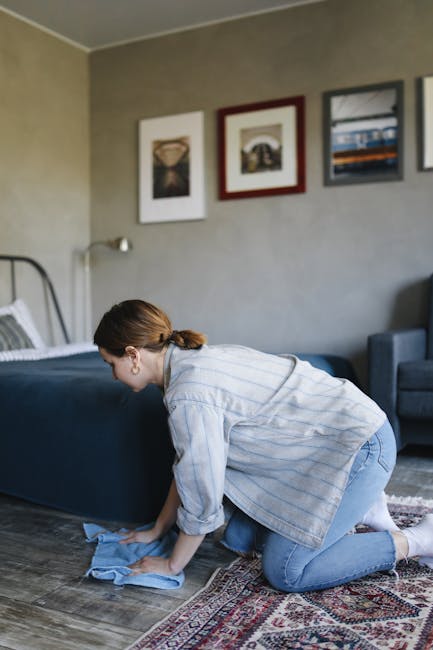
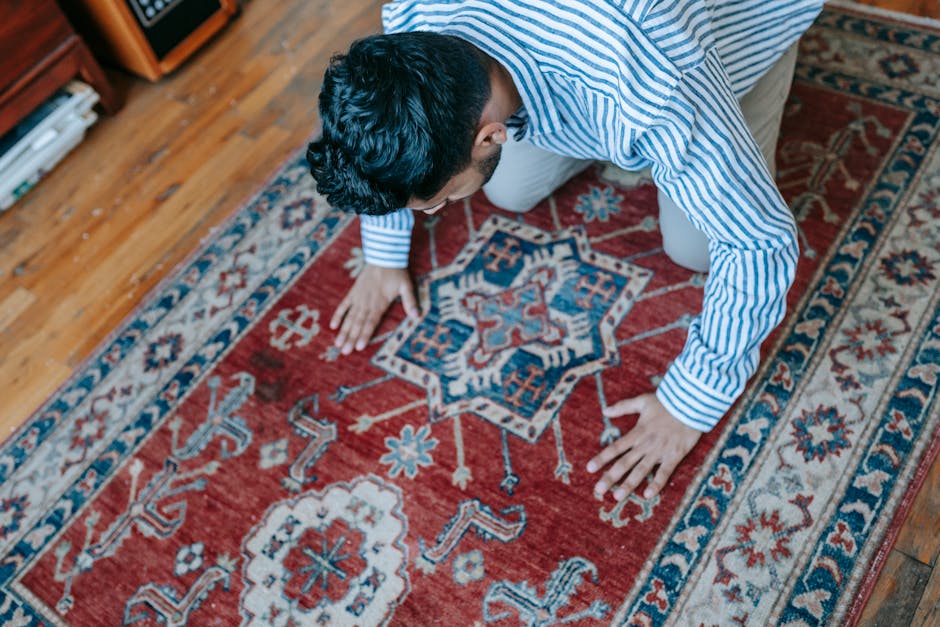
Abbeville Road rug cleaning and stain care in Clapham SW4
If you live near Abbeville Road, you probably know the feeling: a nice rug looks perfect one minute, then a splash of tea, a muddy footprint, or a pet accident changes everything. Abbeville Road rug cleaning and stain care in Clapham SW4 is really about more than appearance. It is about protecting fibres, dealing with spills before they settle, and keeping a home feeling calm rather than a bit battered around the edges.
To be fair, rugs take a lot. They catch soil from shoes, dust from busy rooms, crumbs after dinner, and the occasional mystery mark that nobody wants to claim. This guide explains how rug cleaning and stain care actually work, what helps most, what to avoid, and how to make sensible decisions for different rug types. If you want a fuller view of professional fabric care too, it can help to look at rug cleaning, stain removal, and pet stain and odour removal as part of a wider cleaning plan.
One small truth: the best results usually come from acting early, not aggressively. Blotting, testing, and patience beat panic almost every time.
Table of Contents
- Why Abbeville Road rug cleaning and stain care in Clapham SW4 Matters
- How Abbeville Road rug cleaning and stain care in Clapham SW4 Works
- Key Benefits and Practical Advantages
- Who This Is For and When It Makes Sense
- Step-by-Step Guidance
- Expert Tips for Better Results
- Common Mistakes to Avoid
- Tools, Resources and Recommendations
- Law, Compliance, Standards, or Best Practice
- Options, Methods, or Comparison Table
- Case Study or Real-World Example
- Practical Checklist
- Conclusion
- Frequently Asked Questions
Why Abbeville Road rug cleaning and stain care in Clapham SW4 Matters
Rugs are often the anchor of a room. They soften hard flooring, absorb noise, and make a space feel finished. In homes around Abbeville Road and the wider SW4 area, that matters because many properties combine active family living with period features, compact layouts, or lots of foot traffic between the hall, lounge, and kitchen. A rug in that kind of setting does not stay pristine for long.
What many people miss is that dirt is abrasive. Fine grit settles into the pile and acts like sandpaper every time someone walks across it. Over time, that wears the fibres down and makes colours look flat. Stains are a separate issue, but they often begin as something small: a drip, a smear, a splash. If left alone, they oxidise, spread, or bond with the fibre. Then the job gets harder, and sometimes much harder.
Rug cleaning also matters because not all rugs are built the same. Wool, silk blends, viscose, synthetics, flatweaves, and hand-knotted pieces all react differently to moisture, heat, and cleaning chemistry. A one-size-fits-all approach can leave tide marks, colour bleed, or texture distortion. Nobody wants that. Especially not on a rug that was chosen carefully and probably cost more than people admit out loud.
There is also a comfort factor. A fresh rug can make a room smell cleaner, feel lighter underfoot, and simply look more cared for. That sounds small, but honestly it changes the mood of the whole place.
How Abbeville Road rug cleaning and stain care in Clapham SW4 Works
The process usually starts with identification. Before any cleaning, the rug should be checked for fibre type, construction, dye stability, backing, and existing wear. This is the part that sounds boring but saves trouble later. A wool rug might tolerate a different treatment from a viscose rug, and a delicate dyed piece may need far gentler handling than a modern synthetic.
Then comes soil removal. Dry particles are lifted out first, usually by careful vacuuming and edge-to-centre attention. This matters because once dry grit is out, wet cleaning becomes more effective and less likely to grind dirt deeper into the pile.
For actual cleaning, professionals may use controlled wet extraction, low-moisture methods, or hand-cleaning techniques depending on the rug. Stain treatment is separate and more targeted. A mark from coffee, wine, food, makeup, or pet urine is treated according to what it is and how long it has been there. That distinction is important. Red wine behaves differently from grease, and pet accidents are about odour as well as colour.
After that, drying is managed carefully. Good drying is not just a nice extra. It is part of the job. If a rug stays damp too long, it can develop musty smells, patchy drying marks, or in worse cases damage to the backing. The room should be ventilated, and the rug should be left flat or otherwise supported according to its make.
If you are already comparing service types, it is worth understanding how rug care differs from steam carpet cleaning or broader deep cleaning. Similar ideas, different materials, different risks.
Key Benefits and Practical Advantages
Good rug cleaning is not just about removing visible marks. The benefits tend to show up in several ways at once.
- Better appearance: colours look brighter, patterns come back, and the rug stops looking tired.
- Longer rug life: removing grit and residue reduces wear on the fibres.
- Improved indoor freshness: stain treatment and proper drying can reduce lingering smells.
- More comfortable living spaces: a cleaner rug makes the whole room feel calmer and more inviting.
- Smarter maintenance: once a rug is clean, it is easier to keep on top of future spills.
There is a practical side too. A rug that is regularly maintained is easier to inspect for problems like loose fringes, thinning pile, or small spills that have not yet become permanent marks. That can save money later, even if you are not thinking about resale value or tenant inspections. Truth be told, people often wait until a rug looks bad enough to "need" attention. By then, they are dealing with more than ordinary soil.
Expert summary: The best rug care plan is usually simple: remove grit early, treat spills fast, match the method to the fibre, and dry the rug properly. Nothing fancy. Just careful, consistent work.
Who This Is For and When It Makes Sense
This kind of rug care makes sense for a wide range of households and businesses around Clapham SW4. It is especially useful if you have children, pets, light-coloured rugs, natural fibres, or a room that gets heavy daily use. A rug in a hallway or reception room will need different attention from one in a quiet guest bedroom.
It also makes sense after a specific spill. Coffee in the morning, a splash of curry during dinner, a muddy footprint after rain, or a pet accident on a rainy evening can all justify fast stain treatment. If the rug is valuable or sentimental, it is even more worth being careful. You do not want to guess with something handwoven or antique.
Landlords, tenants, and anyone preparing a home for inspection may also want professional help. The same goes for people moving in or out, where the condition of soft furnishings can affect the overall feel of the property. In those cases, rug care can fit naturally alongside move-in cleaning or move-out cleaning.
For local businesses, a smart approach to rugs can support reception areas, meeting rooms, and communal spaces. That links neatly with office cleaning and communal area cleaning, because first impressions are a real thing.
Step-by-Step Guidance
If you are handling a spill on a rug yourself, the order of steps matters. Rushing around with the wrong product is how small accidents become expensive problems.
- Blot first. Use a clean, white cloth or paper towel. Press gently. Do not scrub.
- Lift solids carefully. If there is food or mud, remove the excess without pushing it deeper into the pile.
- Check the fibre and colour. If the rug is delicate or you are unsure, stop and test any treatment on a hidden area.
- Use the mildest suitable solution. Start with plain water where appropriate. Stronger cleaning chemistry is not always better.
- Work from the outside of the stain inward. That helps prevent spreading.
- Rinse or clear residue. Leftover cleaning product can attract dirt later.
- Dry the area properly. Ventilate the room and avoid leaving the rug damp and bunched up.
For a more thorough clean, the sequence is slightly different. First inspection. Then dust and dry soil removal. Then targeted stain treatment. Then overall cleaning. Then drying and final grooming. A professional will often adjust that sequence based on the rug's condition. Fair enough, because a fragile rug needs a gentler touch than a synthetic hallway runner.
If you already know your issue is specifically a mark rather than general dirt, it can help to review a dedicated stain removal approach before deciding whether to attempt anything at home.
Expert Tips for Better Results
After working through enough rugs, a few patterns become obvious. The following tips are small, but they make a real difference.
- Act quickly, but calmly. Speed helps, panic does not.
- Always blot before anything else. Rubbing usually spreads the mark and can rough up the fibre.
- Use white cloths. Coloured cloths can transfer dye, especially with moisture.
- Do not saturate the rug. Excess water can damage backing or cause slow drying.
- Expect some stains to be permanent. That is not defeatist. It is honest.
- Keep a small spill kit nearby. A cloth, mild detergent, and gloves are often enough for first response.
- Handle fringes separately. They tangle and weaken more easily than the body of the rug.
One extra tip that people overlook: rotate rugs occasionally. It helps spread wear more evenly, especially near sunny windows or high-traffic pathways. That may sound almost too simple, but it works.
And if you have pets, be a little stricter than you think you need to be. Pet incidents tend to soak through faster than people expect. The smell may linger even when the mark looks gone.
Common Mistakes to Avoid
The most common mistakes are often the most tempting ones. Let's face it, when something spills, the instinct is to do something immediately. But "something" is not always the right thing.
- Scrubbing hard: this pushes the stain deeper and can fuzz the pile.
- Using random household chemicals: bleach, strong stain removers, and mixed products can damage fibres or affect dye.
- Over-wetting: too much liquid can cause browning, backing damage, or odour.
- Skipping a patch test: a hidden corner can reveal colour loss before you damage the main area.
- Leaving the rug wet overnight: that invites smells and potential microbial issues.
- Ignoring the cause of the stain: oil, tannin, and protein-based stains need different treatment.
Another easy mistake is assuming a stain is gone just because it looks lighter in daylight. Once the rug dries, the mark may return at the edges. A proper drying check matters. Slightly annoying, yes, but better than discovering a shadow two days later.
Tools, Resources and Recommendations
You do not need a cupboard full of products. In most homes, a small and sensible kit is enough for first response and ongoing care.
| Tool or item | Why it helps | Best use |
|---|---|---|
| White microfiber cloths | Absorb liquid without dye transfer | Blotting spills and lifting residue |
| Soft brush | Helps groom fibres gently | After drying or for light surface care |
| Vacuum with adjustable suction | Removes dust and grit safely | Routine maintenance and prep |
| Mild, fibre-safe cleaner | Supports targeted stain work | Small, tested treatment areas |
| Gloves | Protects hands from cleaning residue | Any wet-cleaning task |
| Fan or good ventilation | Speeds drying and reduces damp odour | After spot treatment or full cleaning |
If you want a service that sits alongside rug care, think about the rest of the room too. Upholstered furniture, curtains, and mattresses often collect similar soil and odours. A more joined-up approach can make the whole property feel fresher. Relevant pages include upholstery cleaning, curtain cleaning, and mattress cleaning.
For homes with recurring pet issues, pet stain and odour removal is the better fit than trying to mask smells. Masking rarely ends well.
Law, Compliance, Standards, or Best Practice
Rug cleaning is not a heavily regulated activity in the way some trades are, but good practice still matters. In the UK, the most responsible approach is to use suitable cleaning agents, handle them safely, and follow manufacturer instructions where available. If a product has safety guidance, it should be followed carefully. That is simple enough, though not everyone does it.
There is also a wider duty of care around health and safety. In practice, that means avoiding slippery floors after cleaning, keeping products out of reach of children and pets, and ventilating the space well. If a rug is especially valuable, damaged, or heritage in nature, caution goes up again. A professional should be honest about risks rather than promising miracles.
For landlords and tenants, rug condition can affect the overall impression of a property. That does not mean every stain must be removed perfectly, but it does mean care should be documented sensibly and any cleaning should be appropriate for the rug type. For commercial settings, regular maintenance often aligns with broader housekeeping standards and site expectations. If you want to understand a company's approach to care, it can be useful to review their health and safety policy, insurance and safety information, and recycling and sustainability commitments.
In short: careful methods, honest limitations, and safe working practices are the standard you should expect.
Options, Methods, or Comparison Table
Different rug situations call for different approaches. The "best" method depends on the fibre, the stain, and how much moisture the rug can tolerate.
| Method | Best for | Pros | Watch out for |
|---|---|---|---|
| Dry soil removal and vacuuming | Routine maintenance | Safe, quick, essential prep | Will not remove set stains on its own |
| Spot treatment | Small fresh spills | Targets one area, low disruption | Test first; some fibres are sensitive |
| Low-moisture cleaning | Delicate rugs and faster turnaround | Less water, reduced drying time | May not suit heavily soiled pieces |
| Controlled wet extraction | Durable rugs with embedded dirt | Deep soil removal, strong refresh | Over-wetting is a risk if done poorly |
| Hand cleaning | Handmade or fragile rugs | Maximum control | Slower and more labour-intensive |
If the rug is small, synthetic, and recent-stain only, spot treatment may be enough. If it is a larger piece with old marks, footfall soil, and a smell that keeps returning, a more complete process is usually smarter. Not glamorous, but practical.
Case Study or Real-World Example
A typical local scenario goes like this. A family on a Clapham street near Abbeville Road notices a pale rug in the living room has picked up a dark tea mark, a bit of ground-in dirt by the sofa, and a faint pet smell after a rainy weekend. Nothing dramatic. Just enough to be annoying every time they look at it.
First, the rug is checked for fibre type and colour stability. It turns out to be a wool blend with a fairly dense pile. Dry soil is removed carefully, then the tea mark is treated with a gentle method rather than anything aggressive. The pet area gets a separate approach because odour is part of the issue, not just the stain. After cleaning, the rug is left to dry with airflow around it, and the pile is brushed lightly once it is ready.
The result is not "brand new." That would be a silly promise. But the room looks cleaner, the mark is reduced to a much less obvious shadow, and the smell is gone. The family stops noticing the rug every time they sit down. Which, honestly, is the real test.
A similar situation often happens before guests arrive or before an end-of-tenancy inspection. In that case, rug care might be paired with one-off cleaning or end-of-tenancy cleaning so the whole property feels pulled together.
Practical Checklist
Use this quick checklist when dealing with a rug spill or planning a deeper clean:
- Identify the rug type before using any cleaner.
- Blot the spill gently with a clean cloth.
- Avoid rubbing or scrubbing.
- Test any product in a hidden spot first.
- Use the least aggressive method that will do the job.
- Do not over-wet the rug.
- Ventilate the room and dry thoroughly.
- Check for hidden residue once the rug dries.
- Rotate the rug if one side gets more wear than the other.
- Book help early if the rug is valuable, fragile, or badly stained.
A quick checklist like this saves a lot of second-guessing. And second-guessing, in rug care, usually means doing too much.
Get a free quote today and see how much you can save.
Conclusion
Abbeville Road rug cleaning and stain care in Clapham SW4 is really about protecting something that quietly shapes how your home feels. A clean rug softens the room. A damaged one pulls attention straight to the problem. The good news is that many stains can be managed well if you act early, use the right method, and respect the material in front of you.
If the spill is fresh, start gently and keep things simple. If the rug is delicate, valuable, or repeatedly stained, it is wiser to treat it as a specialist job rather than a quick fix. That saves disappointment, and often saves the rug too.
In a busy home, there is no medal for trying the hardest product first. The real win is a rug that looks cared for, feels fresh underfoot, and keeps doing its job quietly in the background. Nice and simple, really.
Frequently Asked Questions
What is the best first step after spilling something on a rug?
Blot the spill gently with a clean white cloth straight away. Do not rub. Rubbing tends to spread the stain and push it deeper into the pile.
Can I use washing-up liquid on my rug?
Sometimes, but only in a very diluted form and only after testing a hidden area. Some rugs react badly to even mild household products, especially delicate or dyed pieces.
How do I know if my rug needs professional cleaning?
If the rug has a lingering smell, a large stain, heavy soil, or is made from a delicate fibre, professional help is usually the safer option. If you are unsure about the material, that is another good sign to stop and ask.
Is steam cleaning safe for every rug?
No, it is not. Some rugs handle moisture well, while others can shrink, distort, or bleed dye. The right method depends on the fibre, construction, and backing.
How long does a rug take to dry after cleaning?
Drying time varies based on fibre, thickness, room ventilation, and how much moisture was used. A thin synthetic rug dries much faster than a dense wool rug.
What stains are hardest to remove?
Older stains, dye-based stains, grease, pet accidents, and marks that have been heat-set are often the toughest. That does not mean impossible, but it does mean results can vary.
Should I vacuum a rug before spot cleaning?
Yes, if possible. Removing loose dust and grit first prevents extra friction and helps the cleaning process work better.
Will cleaning remove rug odours as well as stains?
Often, yes, but only if the cause of the smell is properly treated. Odour can come from residue, moisture, or pet contamination, so it needs more than a quick surface wipe.
How often should a rug be professionally cleaned?
That depends on traffic, pets, children, and the rug type. Busy households usually need more regular care than a low-use room. A sensible schedule is based on condition, not a fixed rule.
Can delicate rugs be cleaned safely?
Yes, but the method must suit the rug. Hand cleaning, low-moisture methods, and careful testing are often better for delicate or valuable pieces than a heavy-handed wash.
What should I do if a stain keeps coming back?
That usually means residue has remained in the fibres or the backing has been affected. In those cases, the area needs a more thorough treatment, not just another quick wipe.
Where can I learn more about related cleaning services?
You can explore related topics such as carpet cleaning, domestic cleaning, and regular cleaning if you are planning wider maintenance around the home.
And if you are comparing providers, it is sensible to review practical details such as pricing and quotes, payment and security, and the company's terms and conditions. Small things, but they matter.